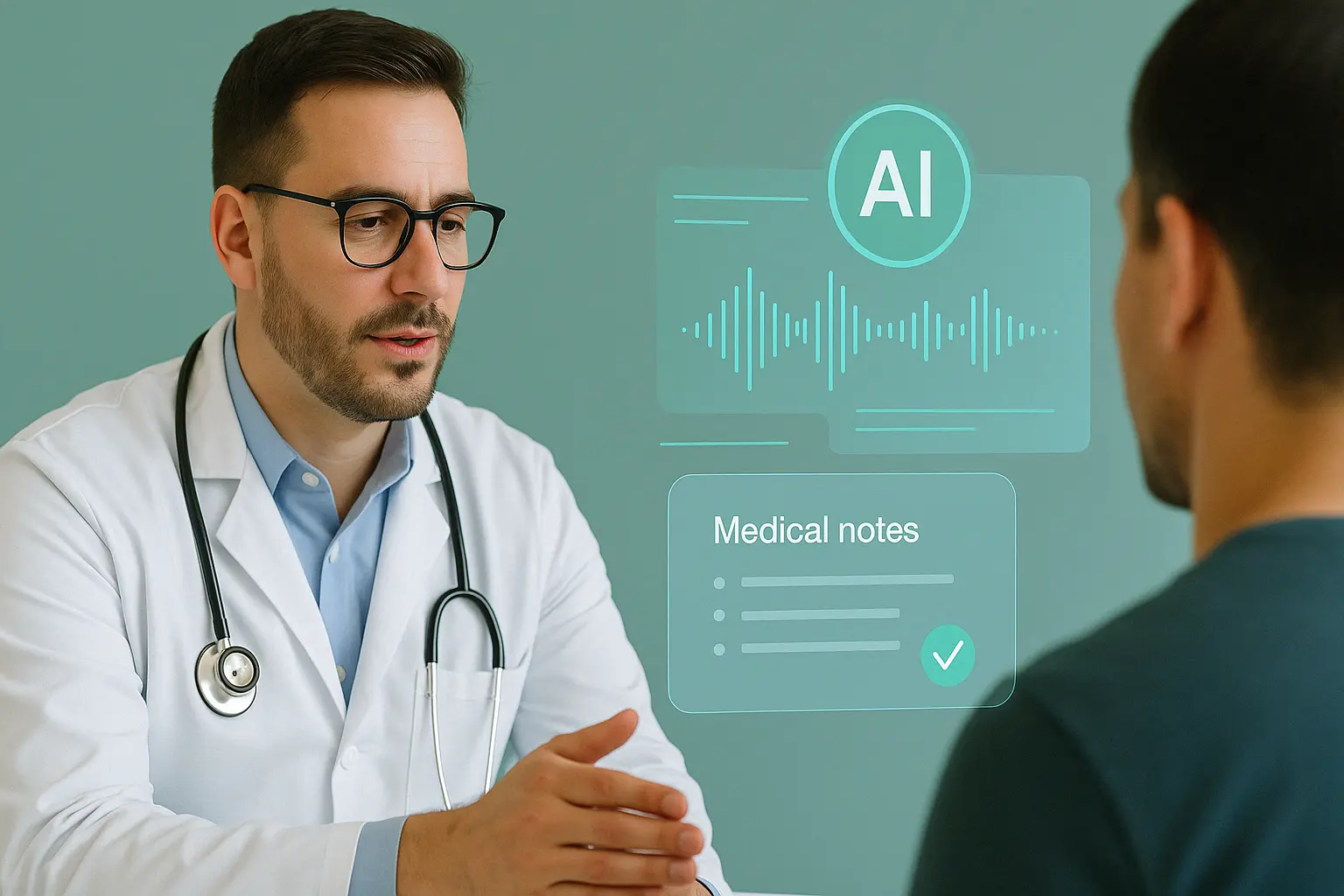
Healthcare professionals today face an ever-growing demand for accuracy, efficiency, and compliance. Managing patient records manually or through outdated systems can slow down workflows and increase the risk of errors. This is where digital solutions step in to reshape the landscape. By integrating advanced tools into everyday operations, clinics and hospitals can improve documentation, streamline communication, and ultimately deliver better patient care.
The evolution of digital recordkeeping has not only simplified administrative tasks but also enhanced clinical decision-making. As healthcare continues to modernize, adopting smarter systems is no longer optional—it’s essential.
Why clinical documentation software Is a Gamechanger
The rise of clinical documentation software has brought a significant shift in how healthcare providers manage patient information. Instead of juggling paper files or fragmented systems, clinicians can now access, update, and share records in real time. This improves collaboration among healthcare teams and ensures that patient data is always accurate and up to date.
One of the most notable advantages is time efficiency. Physicians and nurses can document patient interactions quickly using templates, voice recognition, or automated prompts. This allows them to spend less time on paperwork and more time focusing on patient care.
Additionally, digital documentation systems help maintain compliance with healthcare regulations. Built-in safeguards ensure that sensitive patient data is protected, reducing the risk of breaches and legal issues. Over time, this not only enhances trust but also strengthens the reputation of healthcare organizations.
Key Benefits That Drive Adoption
While the transition to digital systems may seem challenging at first, the long-term benefits far outweigh the initial effort. Healthcare providers who embrace modern tools often notice improvements across multiple areas of their operations.
- Improved accuracy through standardized templates and reduced manual errors
Beyond this, digital platforms enable better data analysis. Clinicians can track patient histories, identify patterns, and make more informed decisions. This leads to improved treatment outcomes and a more personalized approach to care.
Another important benefit is accessibility. Authorized users can retrieve patient records from anywhere, whether they are in the clinic, at home, or on the move. This flexibility is especially valuable in emergency situations where timely access to information can make a critical difference.

How clinical documentation software Enhances Workflow Efficiency
Implementing clinical documentation software can significantly streamline daily operations in healthcare settings. From patient intake to discharge summaries, every step becomes more organized and efficient. Automated workflows reduce redundant tasks, allowing staff to focus on high-value activities.
For example, appointment notes can be automatically linked to patient histories, eliminating the need for repetitive data entry. Alerts and reminders ensure that no critical step is missed, improving both patient safety and staff productivity.
Moreover, integration with other healthcare systems—such as billing and scheduling—creates a seamless experience. This interconnected approach minimizes delays and ensures that all departments are aligned. As a result, patients receive faster and more coordinated care.
Conclusion
The healthcare industry is rapidly evolving, and staying ahead requires embracing innovative solutions. Digital tools are no longer just an upgrade—they are a necessity for delivering high-quality care in a fast-paced environment.
By adopting smarter systems, healthcare providers can reduce administrative burdens, improve accuracy, and enhance patient outcomes. The shift toward digital documentation is not just about convenience; it’s about creating a more efficient, reliable, and patient-centered healthcare experience.