Healthy poultry requires proper nutrition, clean living conditions, and regular health management to stay active and productive. One of the biggest challenges poultry owners face is controlling internal parasites that can affect bird health and growth. Using the right Chicken Dewormer helps protect chickens from harmful worms that weaken immunity, reduce egg production, and interfere with proper digestion. Parasites can spread quickly through contaminated food, water, soil, or droppings, making preventive care extremely important for every poultry owner. Along with regular deworming, providing balanced nutrition and maintaining proper hygiene can help birds remain healthier, more energetic, and more productive over time. At Crown Pet Supplies, customers can find affordable pet health supplies and bird care essentials for poultry, pigeons, dogs, cats, and fish tanks in one convenient place.
Why Deworming Is Important for Poultry
Chickens naturally spend a lot of time scratching the ground and searching for food, which increases their chances of coming into contact with harmful parasites. Worms often enter the digestive system through contaminated soil, insects, dirty water, or infected droppings. Once parasites enter the body, they begin absorbing nutrients that birds need for healthy growth and energy. If left untreated, worms can weaken chickens, reduce egg production, and cause long-term health problems. Birds suffering from parasite infestations may lose weight, appear tired, and become more vulnerable to infections. Regular deworming supports stronger immunity, healthier digestion, and improved overall flock performance. Poultry owners who follow a consistent deworming schedule often notice healthier birds with better energy levels and improved productivity.
Common Signs of Worm Infestations
Recognizing the signs of parasites early can help poultry owners prevent serious health complications. Chickens with worms may continue eating while still losing weight because parasites interfere with nutrient absorption. Many infected birds also become weak, inactive, and less energetic than normal. Laying hens may produce fewer eggs or stop laying completely if the infestation becomes severe. Poor feather condition, dull appearance, and digestive issues such as diarrhea are also common symptoms of worm problems in poultry. Since healthy chickens are naturally active and alert, sudden behavioral changes may indicate underlying health concerns. Monitoring birds regularly allows poultry owners to identify symptoms quickly and begin treatment before the condition worsens.
Common Types of Worms in Chickens
Several types of worms commonly affect poultry, and each type can create different health issues. Roundworms are among the most common parasites found in chickens and mainly affect the digestive system by reducing nutrient absorption. Tapeworms attach themselves to the intestines and slowly weaken birds over time. Gapeworms target the respiratory system and may cause breathing difficulties, especially in younger birds. Cecal worms can also affect poultry health and increase the risk of spreading diseases throughout the flock. Proper sanitation, routine health checks, and regular deworming are important for controlling these parasites and maintaining healthier birds.
The Importance of Proper Nutrition
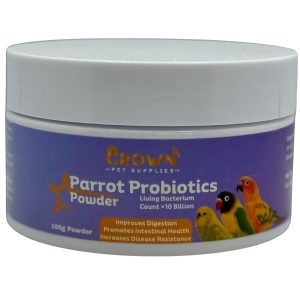
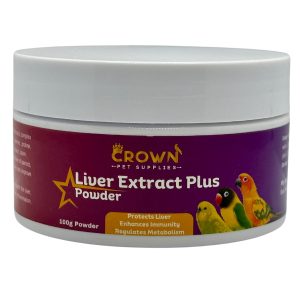
Good nutrition plays a major role in supporting poultry health and helping birds resist infections. Chickens require balanced diets that include proteins, grains, vitamins, minerals, and fresh water to maintain healthy growth and consistent egg production. Nutritious feeding also supports stronger immunity and helps birds recover faster from stress or illness. Poultry owners often notice healthier feathers, better energy levels, and improved productivity when birds receive proper nutrition regularly. Many bird owners who care for parrots and companion birds also understand the value of quality feeding products such as Parrot Food to support long-term bird health and balanced nutrition. Choosing high-quality food products for all birds helps improve digestion, feather condition, and overall wellness.
Maintaining a Clean Poultry Environment
Keeping poultry areas clean is one of the best ways to reduce the risk of parasite infestations and infections. Dirty coops, wet bedding, and contaminated feeding areas create ideal conditions for worms and harmful bacteria to spread quickly. Regularly cleaning coops and removing droppings helps reduce parasite eggs in the environment and supports healthier living conditions. Fresh bedding, clean water containers, and proper ventilation are also essential for maintaining bird health. Poultry owners should avoid overcrowding because crowded conditions increase stress levels and make diseases spread more easily between birds. Rotating outdoor grazing areas may also help reduce exposure to contaminated soil where parasites can survive for long periods.
Benefits of Buying Poultry Supplies Online
Online pet supply stores make it easier for poultry owners to access trusted health products, nutritional supplements, and care essentials without visiting multiple stores. Shopping online allows customers to compare products, read detailed descriptions, and choose suitable items according to their flock’s specific needs. Crown Pet Supplies offers affordable poultry health products, bird supplies, pet care essentials, and nutritional products for birds, poultry, dogs, cats, and fish tanks. Reliable online stores help poultry owners save time while ensuring they receive quality products that support healthier and more productive birds.
Tips for Preventing Worm Problems
Preventive care is one of the most effective ways to protect poultry from parasites and infections. Poultry owners should maintain clean housing, provide fresh water daily, and remove spoiled food quickly to reduce contamination risks. Following regular deworming schedules helps control parasite populations before they become severe. Quarantining new birds before adding them to the flock is another important step because infected birds can quickly spread parasites and disease. Proper feeding, hygiene, and regular health monitoring all contribute to stronger immunity and healthier poultry overall.
Conclusion
Maintaining healthy poultry requires a combination of proper nutrition, clean living conditions, and regular parasite control. Worm infestations can negatively affect digestion, growth, energy levels, and egg production if they are not treated on time. Using reliable deworming products, providing balanced diets, and maintaining good hygiene practices help chickens stay healthier, stronger, and more productive. Poultry owners who focus on preventive care often experience fewer health problems and improved flock performance. With consistent care and quality health products, chickens can enjoy healthier and more productive lives for many years.
FAQ
1. How often should chickens receive deworming treatment?
Many poultry owners follow regular deworming schedules every few months, but the exact timing depends on flock conditions, environment, and overall bird health.
2. What are the common signs of worms in chickens?
Common symptoms include weight loss, weakness, dull feathers, diarrhea, reduced egg production, and lower activity levels.
3. Why is cleanliness important for poultry health?
Clean housing reduces bacteria, parasites, and disease risks while helping birds stay healthier and more comfortable.